
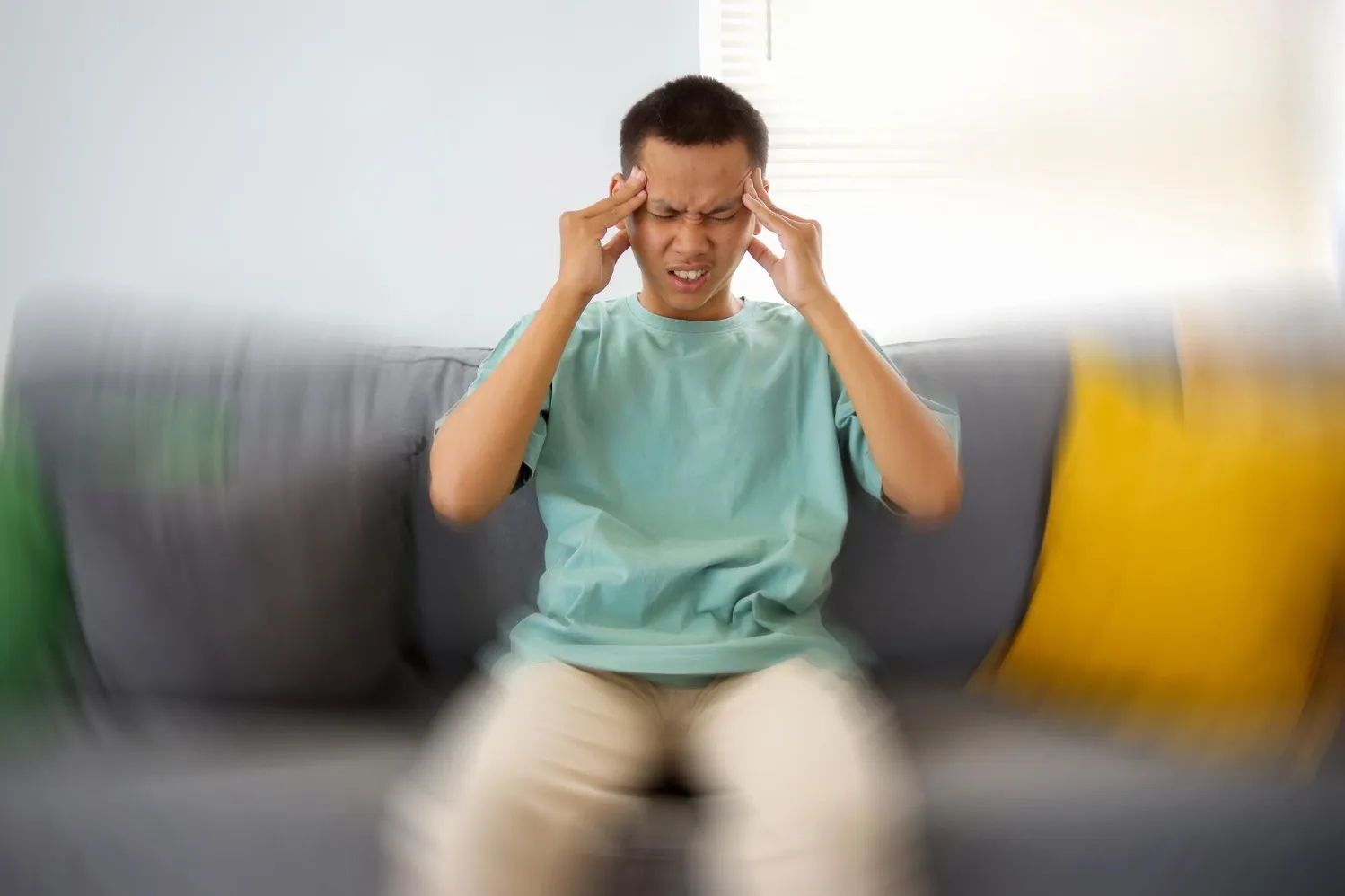
A sudden sensation that the room is spinning can be alarming. Some people experience it for only a few seconds when turning in bed, while others develop longer episodes associated with nausea, imbalance, hearing symptoms, or difficulty walking. Proper Vertigo Treatment begins by identifying what is causing the dizziness.
Vertigo is a symptom rather than a single disease. Because the balance system involves the inner ear, brain, vision, and sensory information from the body, different disorders can produce similar sensations.
How Vertigo Feels
People use the word dizziness to describe many experiences. True vertigo often involves a sensation of spinning or movement when the person or surroundings are actually still.
Other symptoms may include:
- Nausea
- Vomiting
- Unsteadiness
- Difficulty walking
- Ear fullness
- Hearing changes
- Tinnitus
- Symptoms triggered by head movement
These details help the doctor determine where the problem may be originating.
Why the Inner Ear Matters
The inner ear contains structures involved in both hearing and balance. Certain inner-ear conditions can therefore cause vertigo.
One common example is benign paroxysmal positional vertigo, in which specific changes in head position trigger short episodes of spinning.
Other ear-related conditions may produce different symptom patterns and require different management.
How Vertigo Is Evaluated
An ENT assessment may include a discussion of the duration, triggers, associated hearing symptoms, previous illnesses, medication history, and neurological symptoms.
The ears, eye movements, balance, and positional responses may be assessed. Hearing or vestibular tests may be advised in selected cases.
Not all dizziness originates in the ear. The doctor may recommend further evaluation when symptoms suggest another medical or neurological cause.
What Treatment Can Involve
Treatment is determined by the diagnosis.
For certain positional forms of vertigo, specialised repositioning manoeuvres may be performed. Other conditions may require medication, vestibular rehabilitation, lifestyle measures, or treatment of the underlying ear disorder.
Recovery can range from rapid improvement after appropriate positional treatment to a longer rehabilitation period for other balance conditions.
Benefits and Possible Risks
Correct treatment may reduce spinning episodes, improve stability, and make normal movement less frightening.
However, attempting manoeuvres without knowing the cause of dizziness is not appropriate for everyone. Some people have neck, back, vascular, or other medical conditions that may affect whether particular manoeuvres are suitable.
Medication can also cause side effects such as drowsiness in some patients.
Care During Recovery
Until the cause is understood, patients with significant dizziness should be cautious with driving, climbing ladders, working at heights, and other activities where sudden imbalance could cause injury.
Move gradually when getting out of bed, maintain adequate hydration when appropriate, and follow prescribed exercises carefully.
Patients in Pune experiencing recurrent vertigo can seek an ENT assessment at Dr. Phadke’s ENT and Rhinoplasty Clinic when an ear or balance-related cause is suspected.
Frequently Asked Questions
Is vertigo always an ear problem
No. Inner-ear conditions are common causes, but neurological, cardiovascular, medication-related, and other conditions can also produce dizziness.
Can vertigo return after treatment
Yes. Recurrence depends on the underlying condition.
When is dizziness an emergency
Sudden severe dizziness associated with weakness, facial drooping, speech difficulty, severe headache, loss of consciousness, chest pain, or new neurological symptoms requires urgent medical attention.
The most useful approach to recurring vertigo is therefore not simply suppressing the spinning sensation. It is identifying the cause and selecting treatment that matches it.
Keywords